
loader image

Carotid Doppler

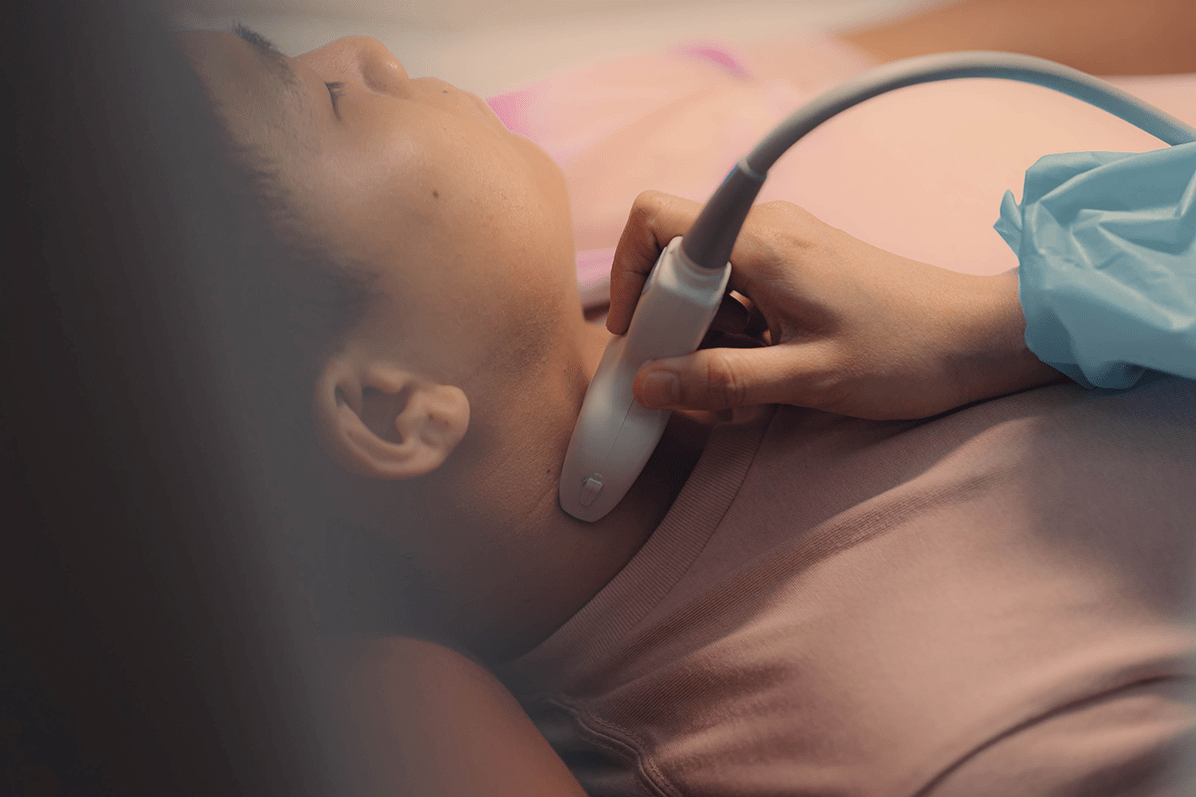
Carotid Doppler or Carotid ultrasound is a safe, painless procedure that uses sound waves to examine the blood flow through the carotid arteries.

There are two carotid arteries that are located on each side of your neck. They deliver blood from your heart to your brain. Carotid ultrasound tests for blocked or narrowed carotid arteries, which can increase the risk of stroke. The results can help your doctor determine a treatment to lower your stroke risk.
 

Why it’s done?

A carotid doppler is performed to test for narrowed carotid arteries, which increase the risk of stroke.

Carotid arteries are usually narrowed by a buildup of plaque made up of fat, cholesterol, calcium and other substances that circulate in the bloodstream. Early diagnosis and treatment of a narrowed carotid artery can decrease stroke risk.

Your doctor will recommend carotid ultrasound if you have transient ischemic attacks (TIAs) or certain types of stroke and may recommend a carotid ultrasound if you have medical conditions that increase the risk of stroke, including:

  • High blood pressure
  • Diabetes
  • High cholesterol
  • Family history of stroke or heart disease
  • Recent transient ischemic attack (TIA) or stroke
  • Abnormal sound in carotid arteries (bruit), detected by your doctor using a stethoscope
  • Coronary artery disease

To screen for narrowed or blocked blood vessels in other areas of the body, you may need additional tests, including:

Abdominal ultrasound. You may have an abdominal ultrasound to test for conditions affecting the blood vessels or organs in your abdominal area.

Ankle-brachial index test. This test measures and compares the blood pressure between your ankle and your arm. The test shows reduced or blocked blood flow to your legs.

Cardiac stress test. This test shows how well your heart performs when under stress, such as during exercise. Results can indicate poor blood flow to the heart.

Carotid Doppler is a non-invasive test that uses sound waves to measure the flow of blood through the large carotid arteries that supply blood to the brain. This test can help doctors to determine stroke risk and help determine preventive measures.

Your doctor may order a carotid ultrasound to:

Evaluate blood flow through the artery after surgery to remove plaques (carotid endarterectomy)

Evaluate the placement and effectiveness of a stent, a mesh tube used to improve blood flow through an artery

Locate a collection of clotted blood (hematoma) that may prevent blood flow

Detect other carotid artery abnormalities that may disrupt blood flow

about-3.png